
Laser Vision: Pioneering Laser Innovations for Presbyopia ft. Ace Vision’s Dr. AnnMarie Hipsley
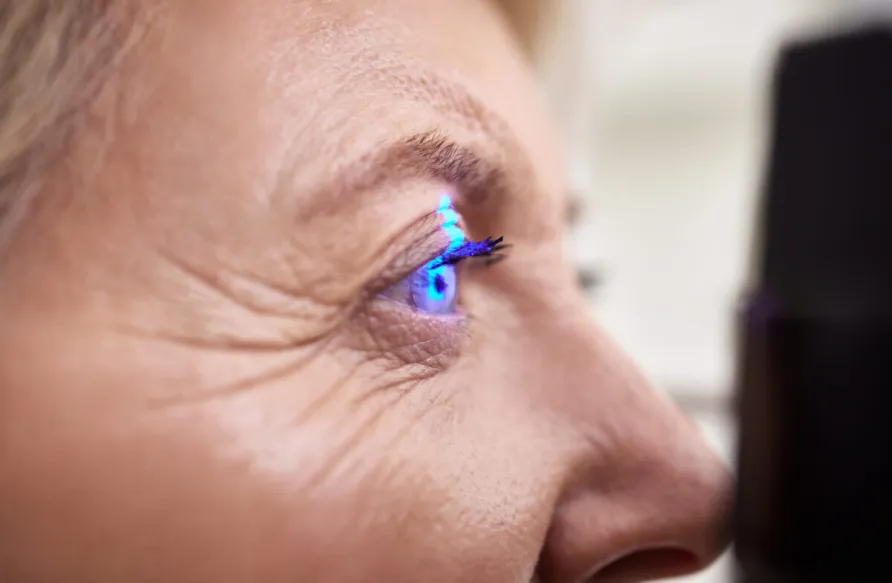
In this episode, Ayesha spoke with AnnMarie Hipsley, DPT, PhD, CEO and founder of Ace Vision Group, an ophthalmic laser device company that is bringing touchless eye laser therapy to patients with age-related vision loss.
Dr. Hipsley is a vision scientist, inventor, entrepreneur, author and speaker on ocular biomechanics and the biomechanical rejuvenation of the aging eye.
She invented an innovative touchless laser system and a laser microporation system for the treatment of presbyopia.
Presbyopia is an age-related condition in which the eye gradually loses its ability to focus on close objects due to natural aging of the lens inside the eye. It typically begins to affect individuals around the age of 40 and continues to progress until around age 65.
Dr. Hipsley is passionate about educating the health care space on the global burden of uncorrected presbyopia, particularly the socioeconomic and quality of life implications of the condition.
Over the past 25 years, she has trained more than 100 ophthalmic surgeons worldwide in using near-infrared lasers for tissue microporation.
Tune into the episode to hear more about Dr. Hipsley and Ace Vision Group’s innovative solutions for presbyopia.
Explore More Articles
New-generation software further improves precision of laser scleral microporation
VIENNA — In this Healio Video Perspective from the ESCRS meeting, Luca Gualdi, MD, speaks about the latest advances in laser scleral microporation. Laser scleral microporation (LSM, Ace Vision Group) is a treatment that restores accommodation in presbyopic patients by uncross-linking the scleral tissue that becomes stiff with age. It does so by performing arrays of micropores in …
read moreDynamic Range of Focus of the Eye: Understanding Biomechanics and Kinematics: Part 1
A PRIMARY FOCUS IN OPHthalmic health care has been on providing solutions to help our patients “see” more clearly and curtail the effects of uncurable age-related eye diseases, such as presbyopia, cataracts, glau-coma, and age-related macular degeneration (AMD). The eye contains more than 2 million working parts and is considered the second most complex organ …
read moreInfluence of Ocular Rigidity and Ocular Biomechanics on the Pathogenesis of Age-Related Presbyopia
This chapter discusses ocular rigidity and ocular biomechanical dysfunction as they relate to the age-related pathogenesis of presbyopia. The major factors associated with presbyopia as they relate to ocular rigidity and ocular biomechanical dysfunction are highlighted. Furthermore, specific reference is made to modifying the biomechanical properties and structural stiffness of the scleral outer coat utilizing …
read more